


How to keep sailing over the autumn and winter if you’re new to sailing
Got the sailing bug over the summer? Wondering if it’s possible to keep sailing at the Blue Lagoon in the colder months?
Got the sailing bug over the summer? Wondering if it’s possible to keep sailing at the Blue Lagoon in the colder months?
The good news is that sailing doesn’t have to stop when summer ends! Although social sailing finishes in October, there are still opportunities to get out on the water, develop your skills and meet other members throughout autumn and winter.
However, sailing in colder weather does require a little more preparation. Here’s our guide to what to wear, how to get involved and, most importantly, how to stay safe.

WHAT TO WEAR TO KEEP SAILING AS IT GETS COLDER
Social sailing ends in October, but racing takes place all year round on Sunday mornings.
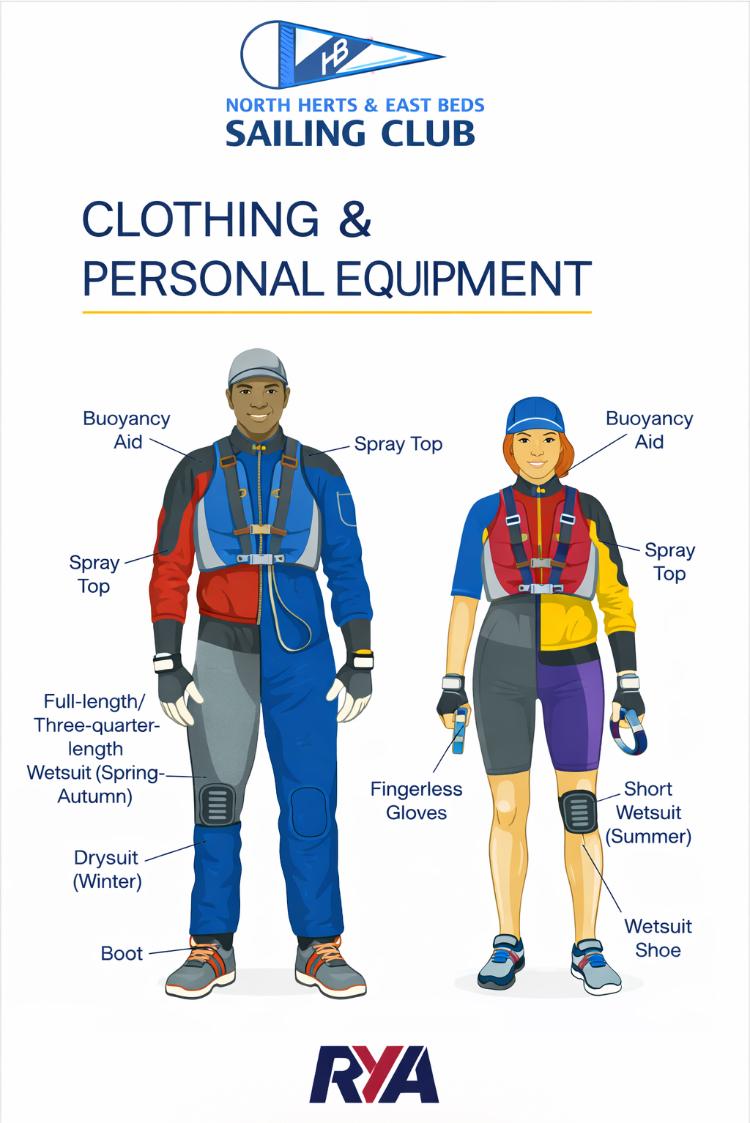
As the temperature drops, we recommend wearing either a wetsuit or drysuit. In the coldest months, you’ll need a wetsuit of at least 3mm thickness. Wetsuit boots will also help to keep your feet warm.
Perhaps you want to give winter sailing a go before investing in a drysuit. Or, if you’re buying for a youngster who is still growing, the cost of a drysuit may not be practical just yet.
If this sounds familiar, try wearing waterproof clothing over a wetsuit to help keep out the wind and spray. As it gets colder, add a fleece and windproof layer, along with a hat and gloves.
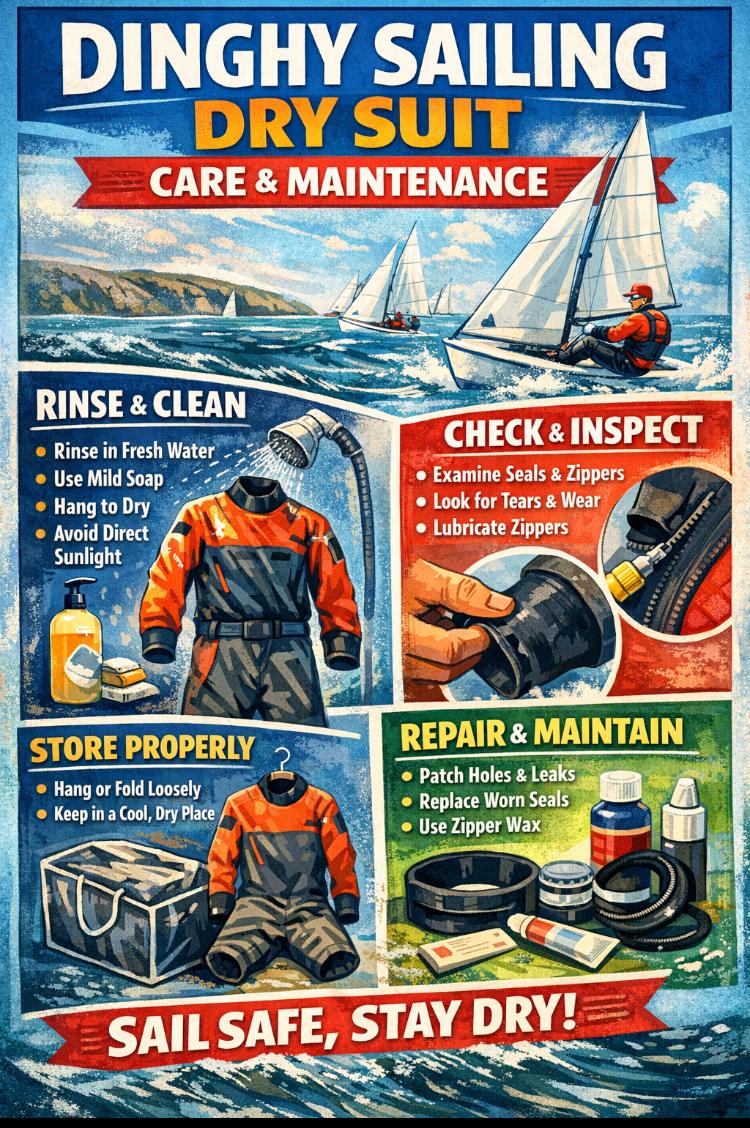
Ready to invest in a drysuit? A quick google search will show plenty of retailers out there who stock them or DAM dry suits can make one made to measure.
Remember that staying warm isn’t just about comfort. Wearing appropriate clothing for the water temperature and the conditions is an important part of staying safe.
What opportunities are there for sailing in the colder months?
If you’re new to racing and sailing, you can put a message on the WhatsApp Who’s Sailing Group asking to crew with someone experienced.
It’s a great way to learn about racing, develop your sailing technique and meet other members.
Don’t be put off trying because you think you’ll be in the way. Having a novice on board can add an extra challenge for experienced racers, and most importantly, it’s a fantastic opportunity to learn. As social sailing ends for the season, we’d love to see more people giving racing a go this autumn and winter.
Outside of racing, you can also use the WhatsApp Who’s Sailing Group to ask who’s planning to sail. Include the times you’re hoping to go out and see if any other members would like to join you (pls remember safety first and only sail within your abilities when condition’s permit).
If you’re new to sailing, we recommend going out with experienced members, particularly during colder weather.
COLD WATER SAFETY: WHAT YOU NEED TO KNOW
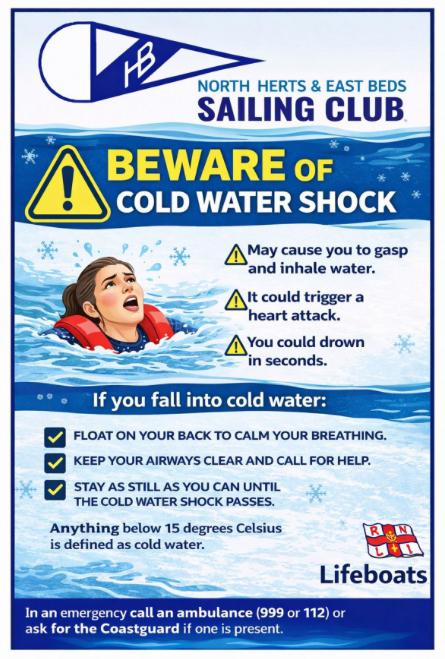
Sailing in colder weather can be great fun, but it’s important to understand the risks of falling into cold water.
One of the biggest dangers is cold water shock. This is the body’s involuntary reaction to suddenly entering cold water. It can cause an immediate increase in breathing rate, heart rate and blood pressure, potentially leading to serious consequences, including cardiac arrest.
Unlike hypothermia, which develops as the body gradually loses heat, cold water shock can have life-threatening effects within minutes. It can cause you to gasp involuntarily, lose control of your breathing and struggle to stay afloat.
When are you most at risk?
Cold water shock isn’t just a winter problem. UK and Irish sea temperatures average around 12°C, and freshwater can be even colder. Water temperatures in the British Isles typically range from around 6–10°C in winter to 15–20°C in summer, depending on location and conditions.
This means you should consider the water temperature whenever you go sailing, even during warmer weather.
What are the symptoms of cold water shock?
Symptoms to look out for include:
• Uncontrolled gasping and rapid breathing
• Coughing and difficulty breathing
• Chest pain
• Tiredness and irritability
• Dizziness or vertigo
These reactions can make it difficult to keep your airway clear and can lead to drowning.
What should you do if you fall into cold water?
The RNLI advises that, if you unexpectedly enter cold water, you should:
1. Fight your instinct to swim immediately. Try to stay calm and avoid thrashing around.
2. Float for around 60–90 seconds. This gives your body time to adjust and your breathing to come under control.
3. Keep your airway clear. Float on your back, using your arms and legs to help you stay afloat.
4. Once your breathing is under control, call for help and consider the safest way to get out of the water.
A correctly fitted lifejacket or buoyancy aid is essential in helping you stay afloat while you recover control of your breathing.
If someone has been recovered from the water, don’t assume they’re fine just because they appear to have recovered. Breathing difficulties can develop after water has entered the lungs. Anyone who has experienced breathing difficulties or a significant immersion incident should receive urgent medical assessment. Call 999 if there are any concerns.
HOW CAN YOU MINIMISE THE RISK?
A little preparation goes a long way when it comes to cold-weather sailing.
Before heading out, remember to:
• Check the conditions: Consider both the air and water temperature, wind strength and weather forecast before setting out.
• Dress appropriately: Wear clothing suitable for the conditions and the possibility of entering the water. Keep warm, dry and protected from wind and spray.
• Wear your buoyancy aid or lifejacket: Make sure it fits correctly and is suitable for your activity.
• Know your limits: Be realistic about your experience, confidence and ability, particularly in challenging conditions.
• Sail with others: Especially if you’re new to winter sailing, go out with experienced club members.
Know your limits
Everyone responds differently to cold water. What feels very cold to one person may feel relatively comfortable to another, depending on their experience and how accustomed they are to it.
For example, someone unfamiliar with cold water may find 21°C quite cold, whereas an experienced open-water swimmer accustomed to swimming in 13°C water may find 21°C relatively warm.
The important thing is to understand your own response to cold water and never assume that because you feel comfortable, conditions are safe.
DON’T LET THE COLDER WEATHER PUT YOU OFF!
Autumn and winter sailing can be a brilliant way to keep developing your skills, enjoy the club and make the most of being on the water throughout the year.
With the right clothing, a little preparation and the support of experienced members, there’s no reason why your sailing journey should stop when summer ends.
Stay warm, stay safe and we’ll see you on the water!
Please remember safety first: stay warm, dry and sail with experienced members.
David Bennett, Alex Burns & Shan Teo